The Slow Burn Goes Viral: How Embroidery Creators Are Making TikTok Sit Down and Pay Attention
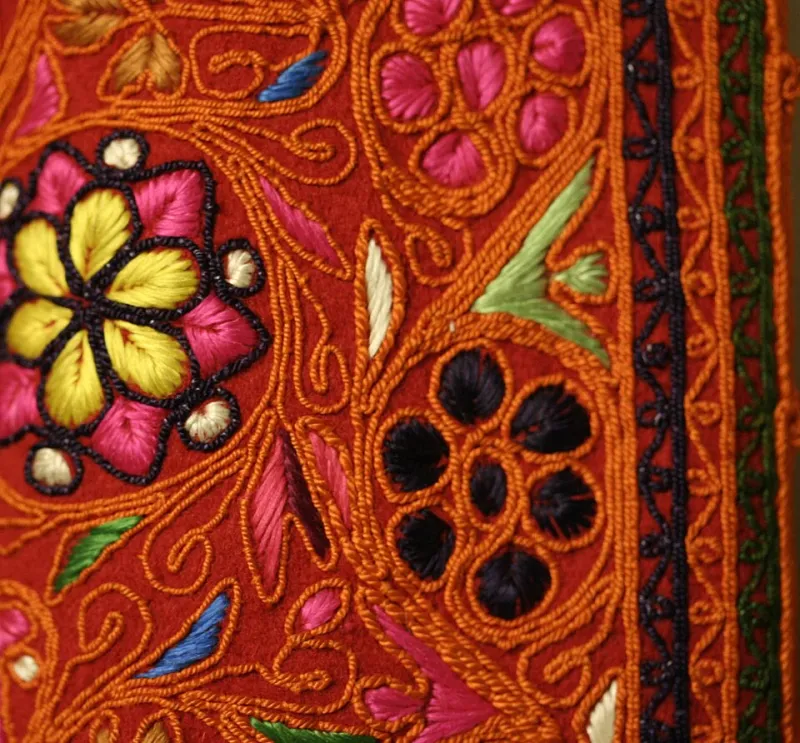
Photo: The Metropolitan Museum of Art, CC0, via Wikimedia Commons
TikTok is supposed to be fast. Loud. Instantly gratifying. A platform engineered for dopamine hits and split-second decisions — swipe or stay. So why are thousands of people stopping dead in their scroll to watch someone push a needle through fabric for fifteen seconds at a time?
That's the quiet revolution happening in a corner of the app that nobody expected to pop off. A growing wave of fiber artists — many of them self-taught, most of them working out of apartments and spare bedrooms — are using slow, meditative embroidery process videos to rack up millions of views, build tight-knit communities, and carve out real, sustainable creative careers. And they're doing it entirely on their own terms.
The Hook Is the Process
Here's the thing about watching embroidery happen in real time: it's almost unbearably satisfying. There's something neurologically compelling about seeing a blank linen hoop transform, stitch by stitch, into a dense floral scene or a portrait or a chunk of abstract texture that looks like it belongs in a gallery. Creators have figured out how to compress that transformation into loops — tight, often sped-up clips that hit a specific sweet spot between ASMR calm and genuine visual payoff.
Creators like Floralhoop.studio, Embroiderista, and a dozen others who've quietly amassed followings in the hundreds of thousands aren't selling a finished product in those clips. They're selling the feeling of watching something become. The process is the content. And on a platform that typically rewards the instantaneous, that's kind of a radical proposition.
What makes these videos so effective isn't just the craft itself — it's the editing. The best embroidery TikToks are almost cinematic in their framing: close-up shots of thread catching light, the satisfying thwip of a needle pulling through taut fabric, color palettes that feel curated down to the last strand of DMC floss. These aren't casual phone recordings. They're deliberate aesthetic statements that just happen to live inside a fifteen-second loop.
Community Built on Patience
What's emerged around these creators isn't just a passive audience. It's an actual scene — the kind of engaged, participatory community that most brands spend millions trying to manufacture and still fail to pull off.
Comment sections on embroidery TikToks function like studio visits. People ask about thread counts, hoop brands, whether that's a split stitch or a long-and-short. Beginners share their first wobbly attempts. Experienced stitchers debate technique. The algorithm, which usually punishes anything that requires sustained attention, seems almost confused by how well this content performs — but it keeps serving it up anyway because the engagement metrics are undeniable.
A lot of this community activity spills over into other platforms. Discord servers dedicated to embroidery techniques that started as TikTok offshoots now have thousands of active members. Instagram accounts run parallel to TikToks, offering higher-resolution finished work. YouTube channels host longer tutorials for viewers who want the full, uncompressed version of what they saw teased in a loop. These creators are building multi-platform ecosystems, and TikTok is just the front door.
Pattern Drops and Patreon: The New Craft Economy
The monetization angle here is genuinely interesting, because it doesn't look like traditional influencer economics. These artists aren't primarily getting paid through brand deals (though some do collaborate with thread companies or fabric brands). They're selling the craft itself.
Pattern drops — PDF downloads of original embroidery designs — have become a serious revenue stream. Creators announce them like streetwear releases, building hype in the days before a drop, selling out in hours, and creating genuine urgency around what is, technically, a digital file of dots and lines. The scarcity is partly real (limited-edition colorways, seasonal designs) and partly psychological, but either way, it works.
Patreon has become another cornerstone. Tiered memberships offering early access to patterns, process breakdowns, or live stitching sessions have given creators predictable monthly income that doesn't depend on any single video going viral. It's a model that rewards depth over reach — the people paying for Patreon access aren't casual scrollers who stumbled onto a video. They're invested community members who've already demonstrated they care about the work.
Etsy shops handling physical hoops and finished pieces round out the picture, though many creators are moving away from selling finished work because the labor cost makes it economically brutal. The pattern economy is smarter: make it once, sell it indefinitely.
Reclaiming Craft in the Age of the Algorithm
There's a cultural argument embedded in all of this that goes beyond the business mechanics. Embroidery has a complicated history — it's been dismissed as domestic busywork, gendered into irrelevance, and then periodically "rediscovered" as a serious art form before being dismissed again. The artists driving this TikTok moment are largely women and queer creators who are very aware of that history and very deliberately uninterested in apologizing for their medium.
Watching someone stitch a dense, intricate scene and then post it to a platform that usually rewards chaos and noise is, in a weird way, a political act. It's an insistence that slowness has value. That craft is intellectual. That the time required to make something beautiful is not a liability but the whole point.
And TikTok's audience — famously fickle, famously young — is apparently ready to hear that. The comment sections are full of people saying variations of the same thing: I didn't know I needed this. This is the most calming thing I've seen today. I want to learn how to do this. That last one is the most important. These videos aren't just content. They're invitations.
What Comes Next
The embroidery TikTok moment is still early enough that it doesn't feel oversaturated, but established enough that the infrastructure is real. There are creators making full-time livings from thread and a ring light. There are pattern libraries with dozens of designs. There are communities that have been running long enough to develop their own inside jokes and aesthetic debates.
The interesting question isn't whether this will last — niche craft communities have proven remarkably durable, online and off. The interesting question is where it goes from here. As more creators enter the space, the ones who thrive will probably be the ones who push the craft itself somewhere new: weirder subjects, more experimental techniques, collaborations with illustrators or textile designers that pull embroidery further out of the "cozy corner of the internet" framing and into genuine contemporary art conversation.
For now, though, the loop is the thing. Fifteen seconds of needle and thread, over and over, pulling something beautiful into existence one stitch at a time. In a feed full of noise, that's somehow the most arresting thing going.