Ink and Iron: The Young Printmakers Bringing Letterpress Back From the Brink
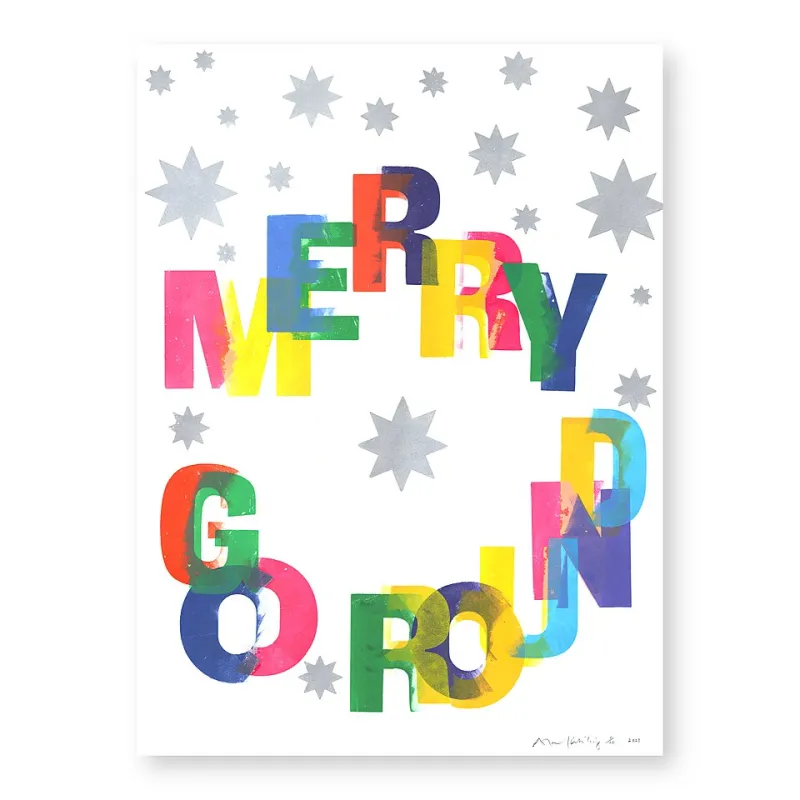
Photo: AlanKitching, CC BY 4.0, via Wikimedia Commons
The Chandler & Price press in the corner of Maya Okonkwo's Chicago studio weighs somewhere around 800 pounds. It was manufactured in 1923. It takes about 20 minutes to set up for a single print run, requires constant attention during operation, and produces maybe 200 impressions an hour if everything goes right. In the age of print-on-demand and same-day shipping, it is, by almost every rational metric, an absurd machine to own.
Maya is 26. She has a waiting list.
"People think it's about nostalgia," she says, pulling a freshly inked card from the press and holding it up to the light. "It's not. It's about making something that couldn't have been made any other way."
This is the letterpress revival, and it's stranger and more vital than you might expect.
What Even Is Letterpress?
For the uninitiated: letterpress is a printing technique that dates back to Gutenberg, though the equipment most contemporary practitioners use comes from the 19th and early 20th centuries. Type — either individual metal or wood letters assembled by hand, or photopolymer plates made from digital designs — is inked and pressed directly into paper, leaving a physical indentation called a deboss. The result has a tactile quality that no digital process can replicate. You don't just see a letterpress print. You feel it with your fingertips.
The technology was largely abandoned by commercial printers in the mid-20th century when offset lithography and then digital printing made it economically obsolete. But that's the thing about obsolete technology — sometimes it circles back around, carrying everything that made it special in the first place.
The Studio Scene
Community print studios have become the beating heart of this revival, especially in cities where buying your own equipment isn't realistic. Places like Arm & Hammer Press in Brooklyn, Dependable Letterpress in San Francisco, and Hatch Show Print in Nashville (which has been operating since 1879, for the record) function as both working studios and informal schools. They rent press time, offer workshops, and have become gathering points for a community that's as much about shared values as shared craft.
The demographic skews young and overwhelmingly includes people with design or fine arts backgrounds who are frustrated with the frictionlessness of digital work. There's a recurring theme in conversations with letterpress practitioners: the desire to make something that resists you a little. Something that requires negotiation.
"Digital design is incredible, but there's no consequence to anything," says Darius Kim, a 29-year-old graphic designer in Portland who started doing letterpress work on weekends two years ago. "You can undo everything. With letterpress, you're committing. That changes how you think."
The DIY Pipeline
For people who want to go deeper, the acquisition pipeline for letterpress equipment is its own rabbit hole. Printing presses turn up at estate sales, in the back of old commercial print shops going out of business, on Craigslist for prices ranging from "surprisingly affordable" to "you've got to be kidding me." Moving them is a project in itself — these machines don't exactly fit in a Prius.
Online communities like Briar Press and the Letpress listserv have been connecting buyers, sellers, and obsessives for years. More recently, Instagram and TikTok have brought a new generation into the fold, with satisfying press-in-action videos racking up millions of views. There's something deeply compelling about watching a machine that old do something that precise.
Type acquisition is its own parallel obsession. Wood type — the large-format letters used for posters and broadsides — is increasingly rare and collectible. Hamilton Wood Type & Printing Museum in Two Rivers, Wisconsin, has become something of a pilgrimage site, housing one of the largest collections of wood type in the world and offering residency programs that draw applicants from across the country.
Sustainability and the Slow Making Movement
There's an environmental argument that keeps coming up in letterpress circles, and it's worth taking seriously. Letterpress printing, done with soy or vegetable-based inks on quality paper stock, is genuinely one of the more sustainable print methods available. No chemical-heavy toner cartridges, no electronic waste, no planned obsolescence. A well-maintained Vandercook proof press from 1950 will outlast any printer currently on the market by a century.
This connects letterpress to a broader slow-making movement that's been building quietly across craft communities — the same impulse that's driving interest in hand weaving, natural dyeing, and small-batch ceramics. There's a growing sense, particularly among younger creatives, that the speed and disposability of digital culture has costs that don't always show up on the balance sheet. Making something slowly, by hand, with physical materials, is starting to feel less like a hobby and more like a political stance.
"I think people are hungry for proof that they made something," says Okonkwo. "Like, real proof. Something you can hold."
The Independent Publishing Angle
Letterpress has also found a natural home in the indie publishing world, where small-press poets, zine makers, and art book creators are using it to produce editions that are objects as much as texts. A letterpress-printed chapbook isn't just something you read — it's something you handle differently, keep differently, think about differently.
Fairs like the LA Art Book Fair and the Brooklyn Art Book Fair have become showcase venues for this kind of work, and the letterpress table is never hard to find. The prints, cards, broadsides, and books coming out of these studios have a visual and tactile distinctiveness that stands out hard against everything else on display.
That's not an accident. It's the whole point.
What It Means
The letterpress revival isn't really about printing. It's about what printing represents right now: deliberateness, physicality, and the stubborn insistence that making something the hard way still matters. In a moment when AI can generate images in seconds and digital tools have removed almost every barrier between idea and output, choosing to spend three hours setting type for a 50-card run is a statement.
It's a slow, ink-stained, 800-pound statement. But it's one that's clearly resonating.