Shutterbugs Without Shutters: The Virtual Photographers Turning Game Maps Into Gallery Walls
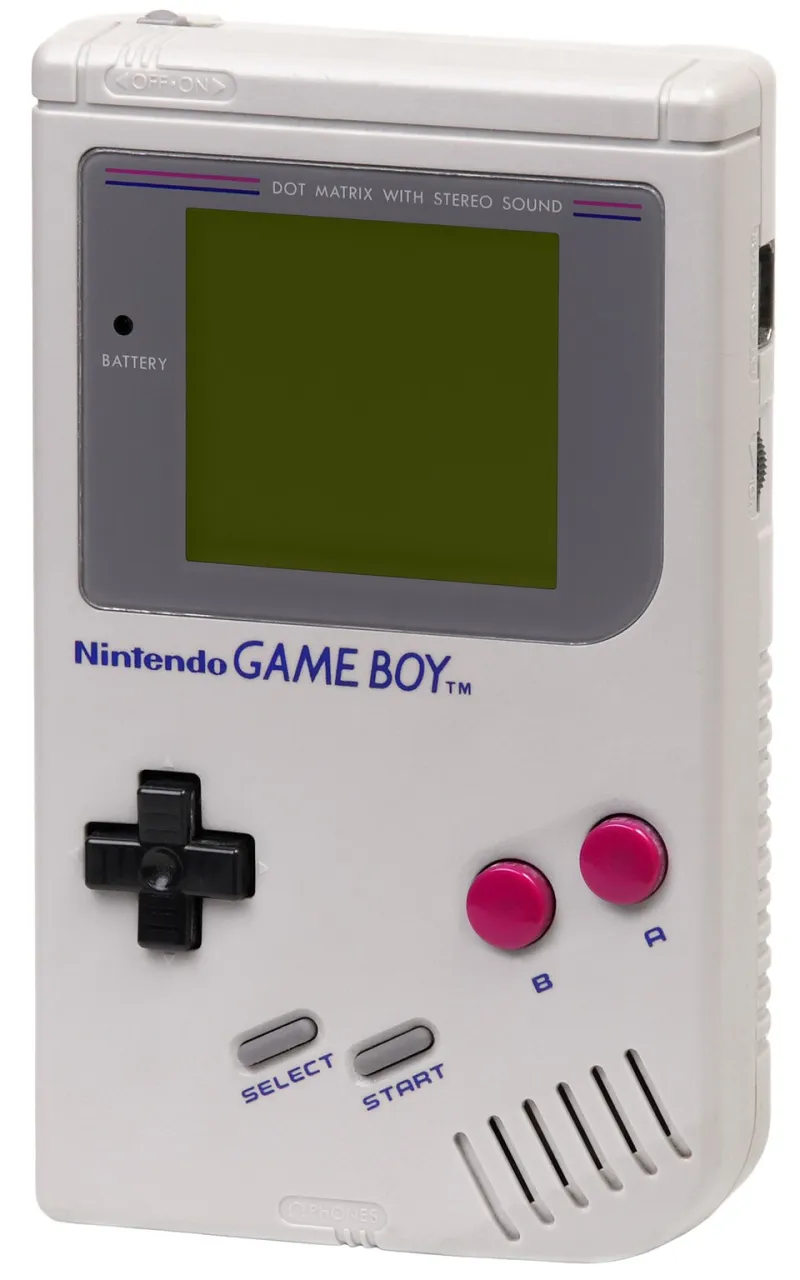
Photo: Evan-Amos, Public domain, via Wikimedia Commons
On a Friday night in October, a crowd files into a small gallery in Bushwick. There’s a projector, a playlist of ambient synth, and a table of cheap wine. The photos on the walls are gorgeous: a neon-drenched alley in a rainstorm, a lone rider silhouetted against a Montana sunset, a brutalist staircase that seems to go on forever. Also: none of these places exist. They’re screenshots.
Welcome to the virtual photography scene, where players use in-game photo modes, mods, and lighting tools to compose images that feel less like captures and more like cinema stills. The artists behind them are part of a growing underground that treats Cyberpunk 2077, Red Dead Redemption 2, and a hundred indie walking sims as studios, not just games. They trade tips on Discord, post galleries on Reddit, and stage exhibitions that exist entirely online—or in a rented room in Brooklyn with a projector and a dream.
The Save File Is the Studio
For the uninitiated, photo mode is exactly what it sounds like: a pause-screen toolkit that lets you freeze a game, move a camera, adjust depth of field, and sometimes pose characters or change the time of day. It started as a novelty. Now it’s a craft. Virtual photographers learn to scout locations, wait for weather cycles, and manipulate lighting with mods that unlock hidden developer tools. Some use ReShade presets to grade color. Others build entire shoots around a single patch of god rays.
“I spend more time composing a shot in Red Dead than I do actually playing,” says Marisol, a 28-year-old virtual photographer from Austin who asked to use only her first name. “The game gives you this huge, living world. Photo mode lets you slow it down and say, ‘Look at this.’” Her series on abandoned farmhouses in the game’s fictional West has been featured in three online group shows this year.
The tools matter. A good photo mode offers focal length, aperture, exposure, and a way to hide the HUD. A great one lets you roll the camera, adjust FOV, and export at high resolution. The difference between a screenshot and a virtual photograph is often just a studio that cared enough to include a “hide UI” button.
Why the Algorithm Loves a Fake Sunset
Scroll through r/VirtualPhotographers or the dozens of Discord servers dedicated to the craft and you’ll notice something: the work is genuinely good. Not “good for a game” good. Good. A misty Cyberpunk street scene with neon bleeding into puddles. A Red Dead portrait of a character who looks like they’ve lived three lifetimes. A walking sim landscape that feels like a memory.
That quality has attracted an audience beyond gamers. Virtual photography accounts on Instagram and Bluesky pull thousands of followers. Curators stage themed challenges—“noir,” “golden hour,” “brutalism”—and the results get compiled into zines and online galleries. There’s even a small but growing market for prints, though copyright is a gray area most artists navigate carefully.
The appeal is obvious in 2026: it’s art you can make without a studio, a model, or a plane ticket. Games are the location. Photo mode is the camera. The rest is patience and an eye.
A Museum With No Front Door
The exhibition side is where things get interesting. In-game photography has moved from forum threads to curated shows. Some happen in Discord servers with dedicated gallery channels. Others use virtual gallery software or even Minecraft builds as exhibition spaces. The Bushwick show—organized by a collective called Frame Rate—was a real-life affair: printed screenshots, a looped reel of in-game camera movements, and a QR code that led to a digital catalog.
“We wanted to prove this isn’t just a hobby,” says Dev, one of the organizers. “People spend hours on these images. They deserve a wall.”
The scene is also pushing back against the idea that photo mode is a bonus feature. Virtual photographers lobby studios for better controls, higher resolution exports, and the ability to save presets. Some developers have listened. Others still ship a photo mode with three filters and call it a day.
What Studios Owe the Shutterbugs
That’s changing, slowly. Indie developers in particular have embraced photo mode as a marketing tool and a community builder. A walking sim with a robust photo mode gets shared more. A AAA game with a stingy one gets criticized. The message is clear: if you build a beautiful world, people will want to photograph it.
For now, the virtual photography community keeps doing what it does best: making the case one image at a time. They’re not waiting for permission. They’re building galleries in save files, trading feedback in DMs, and turning game maps into museums. No console required—just a controller, a camera, and a willingness to see the world differently.