No Animation Skills? No Problem: How AI Avatars Are Blowing Open the Indie VTubing Scene
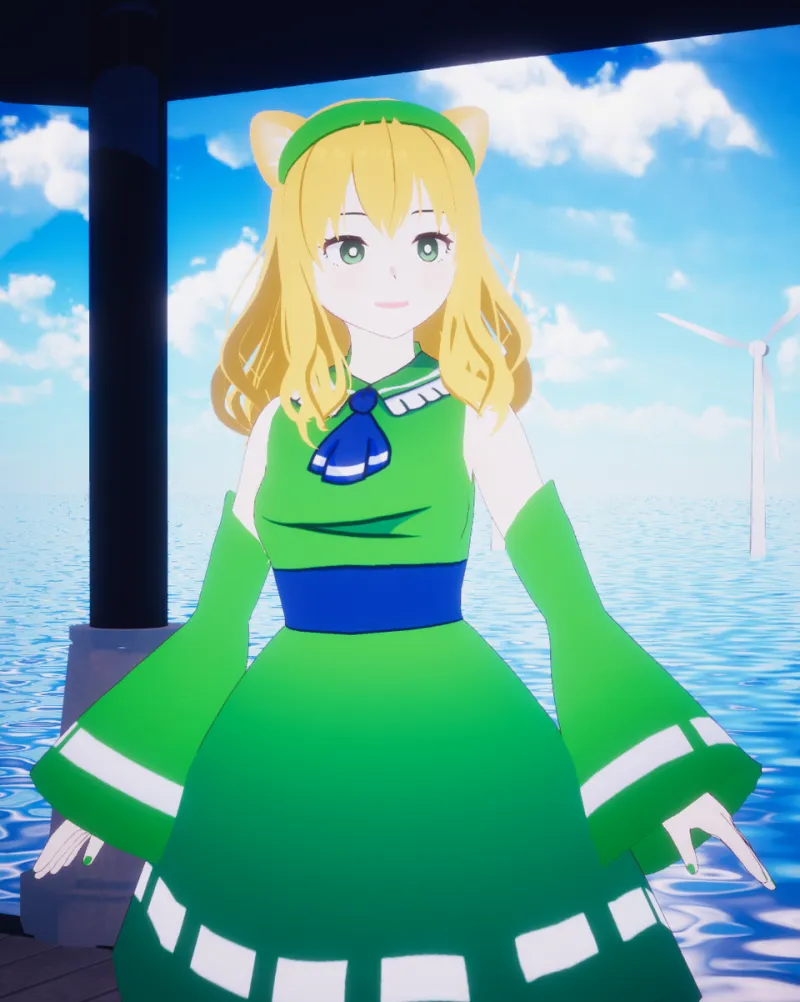
Photo: Immanuelle, CC BY-SA 4.0, via Wikimedia Commons
For a long time, becoming a VTuber had a pretty steep cover charge. You needed a custom 2D or 3D model, which meant either shelling out hundreds — sometimes thousands — of dollars to a commissioned artist, or spending years learning rigging software yourself. The barrier wasn't talent. It was technical gatekeeping dressed up as craft.
That wall is coming down fast.
A scrappy, creative, and occasionally chaotic community of indie VTubers is now launching full streaming careers powered by AI-generated avatars. Tools like VTube Studio integrations, AI face-tracking rigs, and generative image platforms are doing in minutes what used to take months. And the people picking them up aren't just hobbyists — they're building real audiences, real parasocial bonds, and real questions about where virtual performance goes from here.
From Niche Flex to Accessible Tool
The mainstream VTubing world — think Hololive, Nijisanji, the big corporate agencies — has always had a kind of polished, aspirational quality. The models are gorgeous. The production is tight. There's a whole industry infrastructure behind even mid-tier talents.
Indie VTubers have always existed in the margins of that world, doing their own thing with fewer resources and more creative freedom. But the latest generation of indie creators is operating with a fundamentally different toolkit. Platforms like VRoid Studio lowered the floor years ago by letting anyone build a 3D model without coding knowledge. Now, AI image generators and avatar-specific tools are pushing that floor even lower.
Some creators are using AI-generated still images as stylized PNG avatars — a format affectionately called "PNGtubing" — animated with simple reactive software that bobs or changes expression based on microphone input. Others are going further, using tools that generate semi-animated characters from a single reference image, applying live facial tracking so the avatar mirrors real expressions in real time. The results range from charmingly rough to genuinely stunning, and the community embraces both ends of that spectrum.
What matters is that the creative decision — the character concept, the lore, the vibe — belongs entirely to the creator. The AI handles the technical execution.
Who's Actually Doing This?
Scroll through Twitch's smaller streaming categories or dig into VTuber discovery spaces on Twitter and Discord, and you'll find them: creators building elaborate virtual identities with names like Morvexx the Void Librarian or Sunpetal Clover, streaming everything from cozy farming games to late-night horror marathons to original music sets.
Many are people who've wanted to stream for years but felt self-conscious about being on camera — whether for privacy reasons, disability, social anxiety, or simply because the character they want to perform doesn't match the face they have. AI avatars offer a kind of expressive freedom that a webcam never could.
There's also a huge wave of LGBTQ+ creators who've found VTubing, and specifically AI-assisted VTubing, to be a genuinely liberating space. Building a virtual persona that reflects your gender identity or presentation in ways that feel authentic — without needing expensive custom art — is a real and meaningful thing for a lot of people in this community.
The Authenticity Debate Is Getting Loud
Here's where it gets complicated. The VTubing community, like most creative communities, has Opinions. And one of the hotter debates right now circles around whether AI-generated avatars represent a creative shortcut that undermines the artistry of commissioned work — or a democratic tool that opens the form to people who were previously locked out.
On one side, there are legitimate concerns from artists. VTuber model commissions are a real income stream for a lot of illustrators and riggers, particularly in the anime art space. When AI tools can approximate that work for free or near-free, it puts pressure on that economy in ways that aren't comfortable to ignore.
On the other side, many indie VTubers point out that they were never going to commission expensive custom art in the first place — the choice wasn't between paying an artist or using AI, it was between using AI or not existing as a creator at all. That's a genuinely different economic calculation.
The authenticity angle cuts deeper than just economics, though. Some audiences feel a subtle disconnect when they learn a creator's avatar was AI-generated rather than hand-crafted. There's a parasocial dimension to VTubing that's almost unusually intense — fans develop real emotional investment in these characters, and the origin story of the avatar becomes part of the mythology. Does an AI-generated face carry the same weight as one drawn with intention by a human hand?
Most indie VTubers would say that's the wrong question. The character, the voice, the community, the streams — those are all deeply human. The avatar is just the costume.
Parasocial Bonds in the Age of Generated Faces
What's genuinely fascinating about this moment is how it's stress-testing the nature of parasocial connection in streaming culture. Audiences don't fall in love with pixels — they fall in love with personalities, inside jokes, consistent presence, the feeling of being seen. And those things have nothing to do with whether the avatar was commissioned or generated.
If anything, some indie VTubers argue that AI-generated avatars have made their communities more intimate, not less. When the barrier to starting is lower, creators tend to be more experimental, more personal, more willing to try weird things. The polish of a high-budget model can actually create distance — an expectation of performance over presence.
There's also something worth noting about iteration. An indie VTuber using AI tools can update their avatar, try new designs, evolve their visual identity in response to their community in ways that commissioned art simply doesn't allow on a bedroom-creator budget. That fluidity is its own kind of creative statement.
Where This Goes Next
The tools are only going to get better and more accessible. Real-time AI animation, more expressive facial tracking, voice modulation that can shift tone and register — the virtual performer's toolkit in 2025 already looks nothing like it did in 2021, and the pace isn't slowing down.
What the indie VTubing community is building right now, in Discord servers and Twitch chats and TikTok clips, is a new kind of performance culture. One where the character is a genuine creative construct, the technology is a collaborator rather than a gatekeeper, and the audience knows — and mostly embraces — that the face on screen was born in a neural network rather than a sketchbook.
Niche spaces have always been where the interesting stuff happens first. And right now, the most interesting questions about AI, identity, performance, and creative ownership are being worked out live, on stream, by people with a few hundred followers and a lot to say.
That's the kind of thing worth paying attention to.